

English Lesson
Fruits have those little things inside, which we usually don’t eat. In fact, some are not that small! Think of an avocado, for example. They are generally called seeds, but not always. Well, when they are really small, they are called seeds. Here is a list, from COCA (www.americancorpus.org) as usual, for the noun collocates of seeds:
1 | |
2 | |
3 | |
4 | |
5 | |
6 | |
7 | |
8 | |
9 | |
10 | |
11 | |
12 |
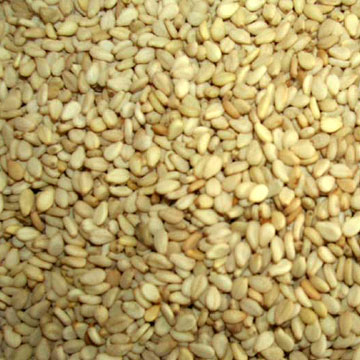 Sesame seeds
 Pumpkin seeds
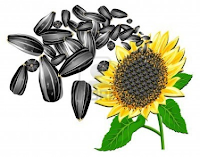 Sunflower seeds
 Fennel seeds
 Mustard seeds
Some fruits, however, have a pit or stone, which has a seed inside. They are called stone fruits. Plums, cherries, peaches, apricots and nectarines fall into this category:
 Plum pits
  Cherry pits
  Peach pits
 Apricot pits
That is why there is the verb to pit, which means “to remove the pits”:
· To pit olives, crush slightly with the flat side of a knife blade, then remove pit.

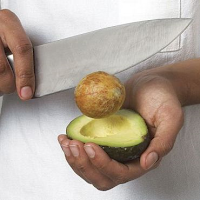
· Halve and pit the avocado.
Now, let’s move to the outer part of the fruit, which we usually don’t eat either. That is why we peel bananas, oranges, apples and other fruits, and some vegetables too, like carrots:
· Peel apples, and cut into 1/2-inch-thick wedges


Lemons, limes, oranges and bananas have peels:
· A shallow glass bowl of lemon peel.
· Stir lime peel into cooked rice.
· Place 1 tablespoon plus 1 teaspoon orange peel and the remaining ingredients in a bowl and toss to combine.
· A good turn may consist in removing a piece of banana peel from the pavement.
A number of fruits and vegetables, though, have skins:
· Try to eat a banana or a potato skin to keep your potassium up.
· Apple skin is where the nutrients are concentrated.
· Find out how to use pineapple skins in your kitchen and home, and give those scraps a second life!
The peels of citrus fruits are also called rinds:
· Season to taste with lemon juice and grated lemon rind.
· Stir together lime rind and next 6 ingredients in a large bowl.
· 1 teaspoon chopped cilantro # 1/2 teaspoon grated lime rind.
Notice that rinds occurs mainly in recipes and usually in a collocation with grated: grated lemon rind, grated lime rind.

Actually, grated lemon rind – and also very small pieces of lemon peel – are called lemon zest:


But these are also rinds:
 Watermelon rinds
  Melon rinds
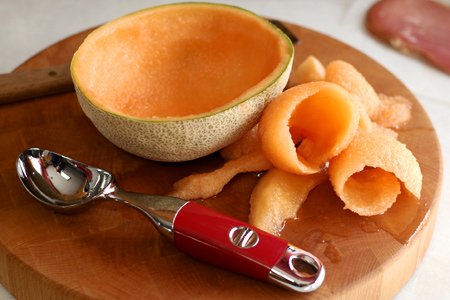 Canteloupe rinds
Confusing? Not really!
Seeds are “sementes” in Portuguese, and pits and stones are “caroços”.
For peels,skins and rind we only have one word: “cascas”.
And zestis “casca ralada”.
Now you’re ready to enjoy your piece of fruit, but – depending on which fruit it is – better pit it and peel it first!
Bon appetit!
Stella

Stella E. O. Tagnin: Professora Associada do Departamento de Letras Modernas, FFLCH, da USP. Embora aposentada, continua orientando em nível de pós-graduação nas áreas de Tradução, Terminologia, Ensino e Aprendizagem, sempre com base na Lingüística de Corpus. É coordenadora do Projeto CoMET.
e-mail: seotagni@usp.br


Stella, adorei o seu post. Sua compilação de vocabulário, colocações e outras informações serão certamente muito úteis para estudantes e mesmo professores de inglês. Gosto especialmente da forma com que você contrapõe o texto escrito e visual nos seus posts.
Queria aproveitar para compartilhar um poema de que gosto muito e que seu post me trouxe de volta à memória:
“How to Eat A Poem”
Eve Merriam
Don’t be polite.
Bite in.
Pick it up with your fingers and lick the juice that
may run down your chin.
It is ready and ripe now, whenever you are.
You do not need a knife or fork or spoon
or plate or napkin or tablecloth.
For there is no core
or stem
or rind
or pit
or seed
or skin
to throw away
Abraços!
Denise
http://www.denisesantos.com